 English
 Indian
 العربية
 Español
 Deutsch
 Türkçe
 Русский
 Français (Afrique)

All hail the long steam machine, Pimax's new SteamOS-ready mini PC
You could say Pimax is copying Valve's homework with its new mini PC, the Spation. Though the Steam Machine is merely a black box, so you could say it also copied any number of other miscellaneous black rectangles itself; the Xbox Series X among them. Nevertheless, this is one similar-looking living room machine, and Pimax is even pitching it with SteamOS.
Pimax's machine is a mini PC with a whole bunch of power behind it. Pimax says it comes with either an RX 9070 XT or RTX 5070 Ti, and a Ryzen 7 9800X3D.
It packs in 32 GB of DDR5, a 1 TB SSD, and a 1000 W SFX PSU. It also supports Wi-Fi 7, Bluetooth 5.4, and comes with 2x DisplayPort 2.1, 1x HDMI 2.1, 1x USB4, and 6x USB 3.2 Gen 2 ports. freshyourfeel.org
So, it's much more capable than Valve's li'l box, though I shudder at the thought of the price. Pimax has not yet announced a price or launch date.
You can see how it all slots together under the removable rear panel in the render provided by Pimax below.
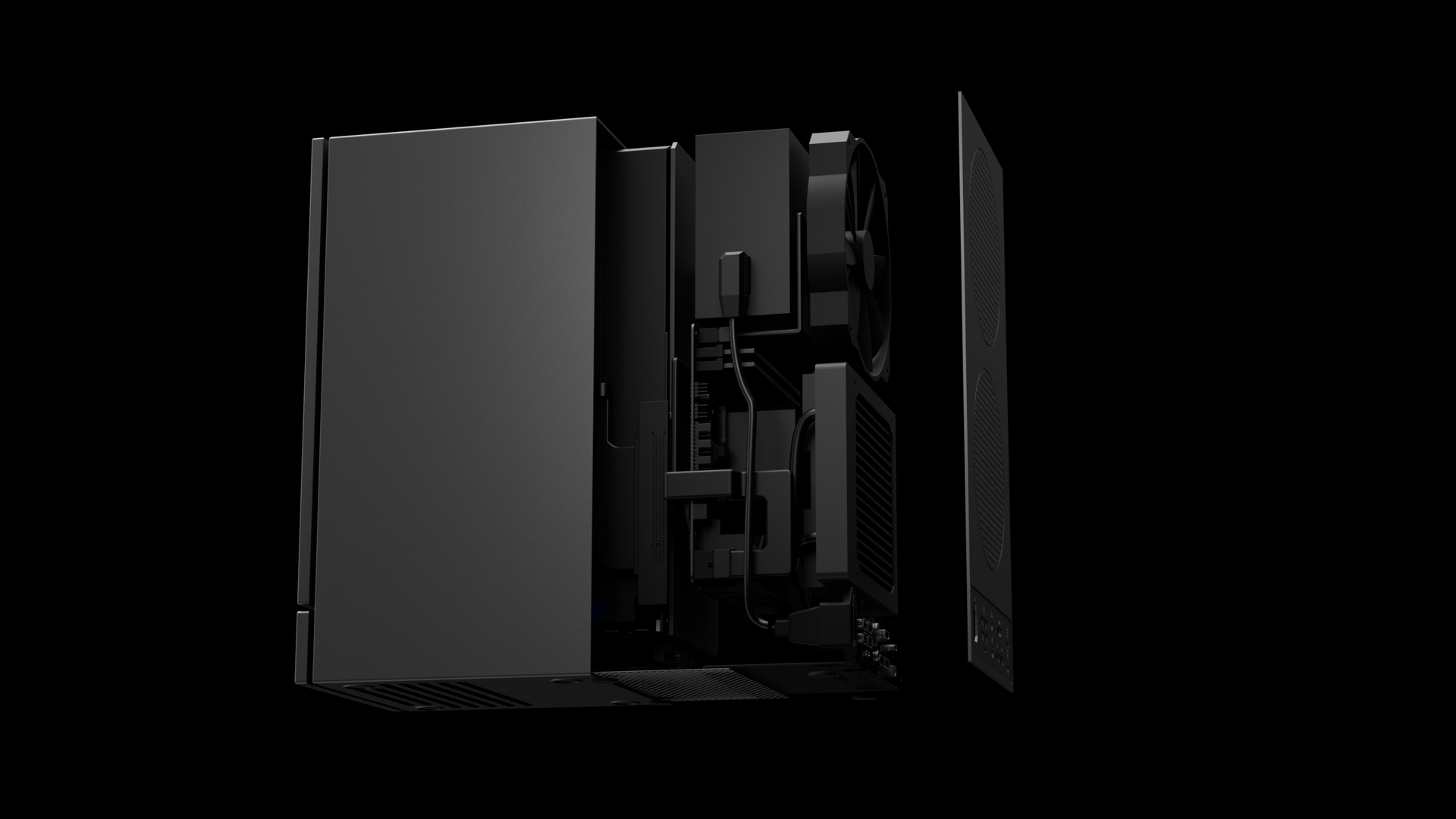
Most of the I/O is accessible at the back of the device. Slightly above and behind that is what looks to be a Mini-ITX motherboard with two DIMMs installed, presumably with some sort of solution to shift the rear I/O. Above that, the power supply, with a fan mounted above it. The GPU sits flat on the reverse of the unit, using a PCIe riser cable.
My only concern is how well that graphics card can breathe in there, and more broadly for temps, but there may be yet more fans within the unit. The front panel looks to be removeable—just like the Steam Machine—with some venting in there for the GPU.

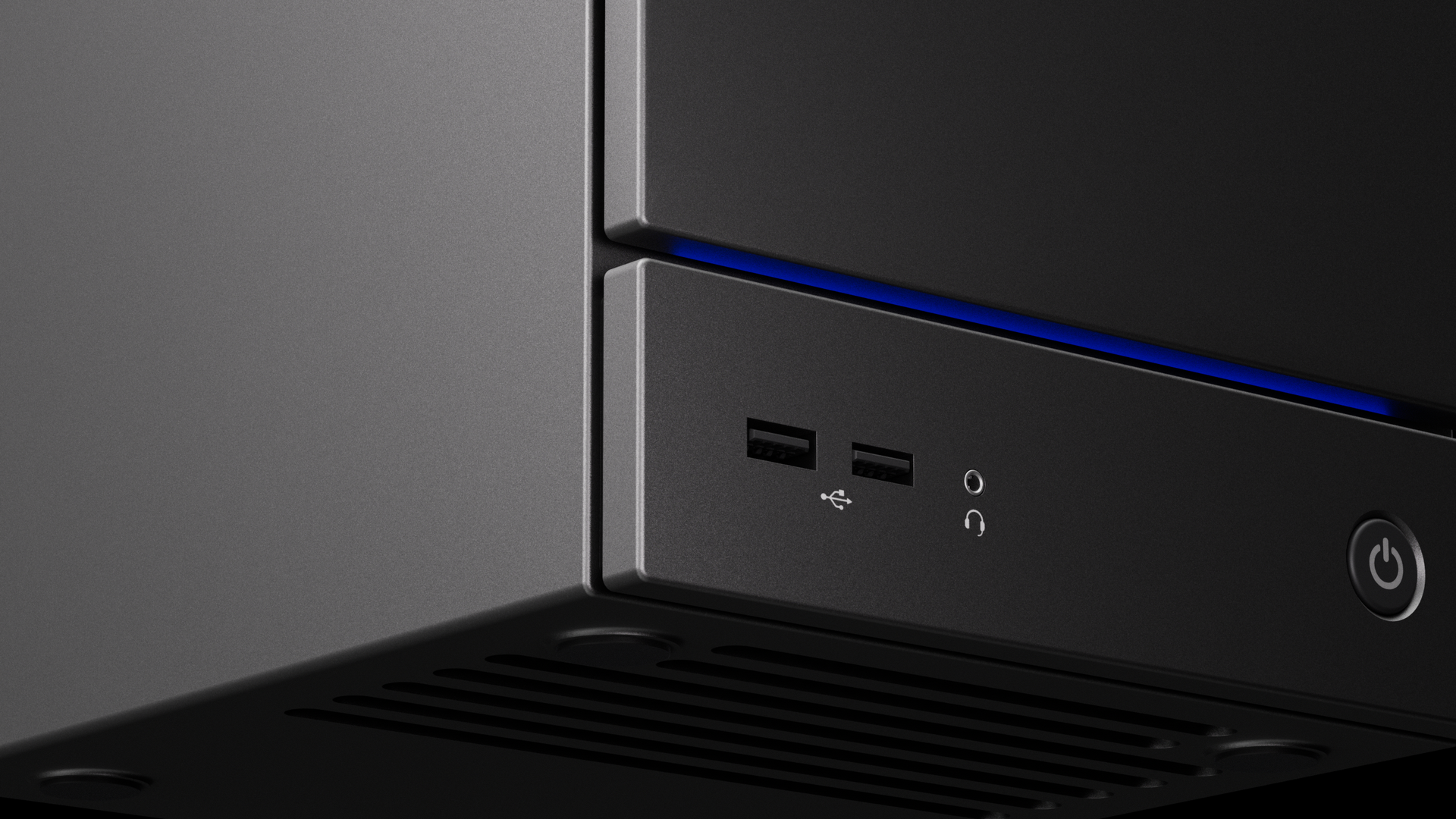
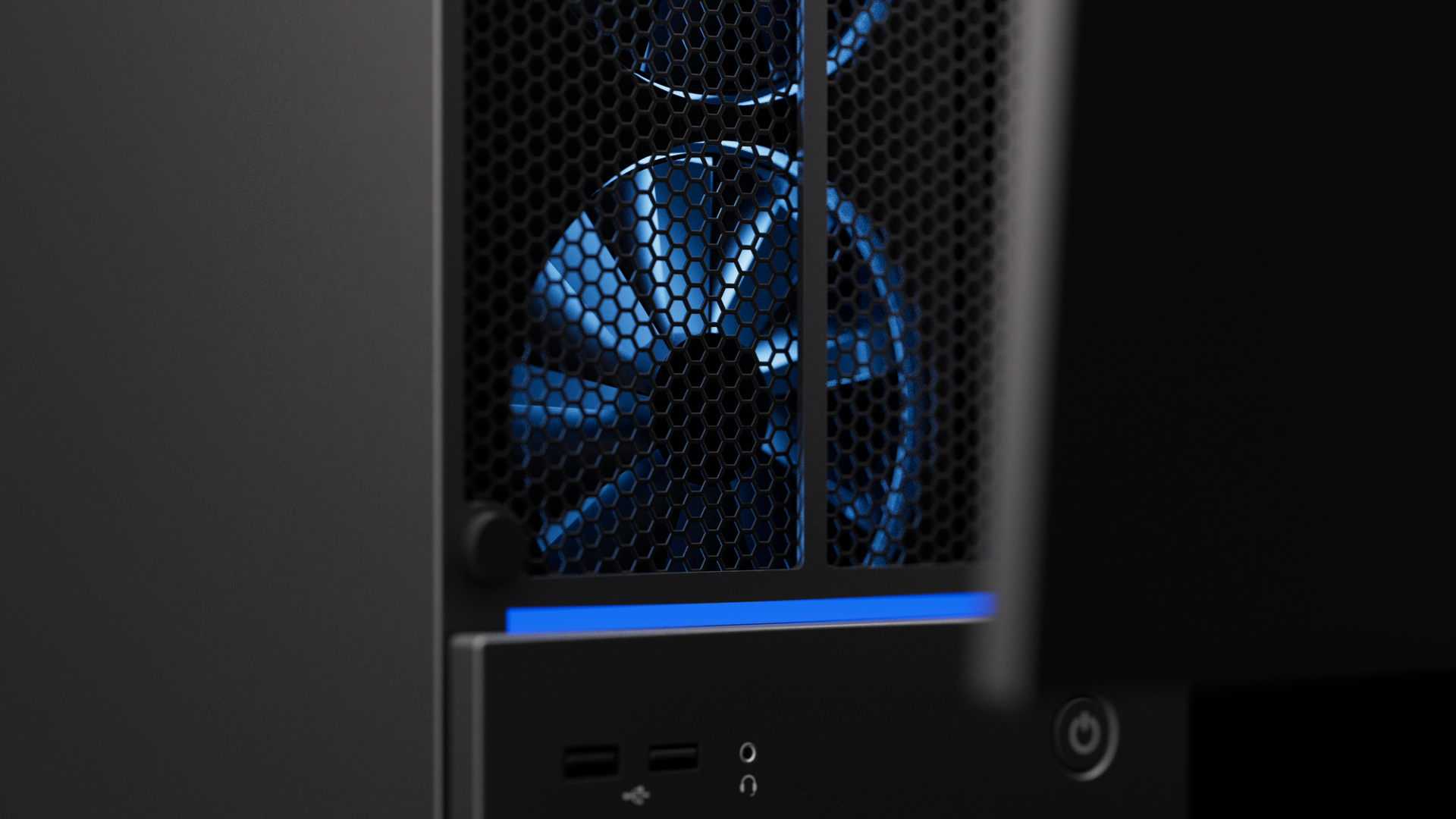
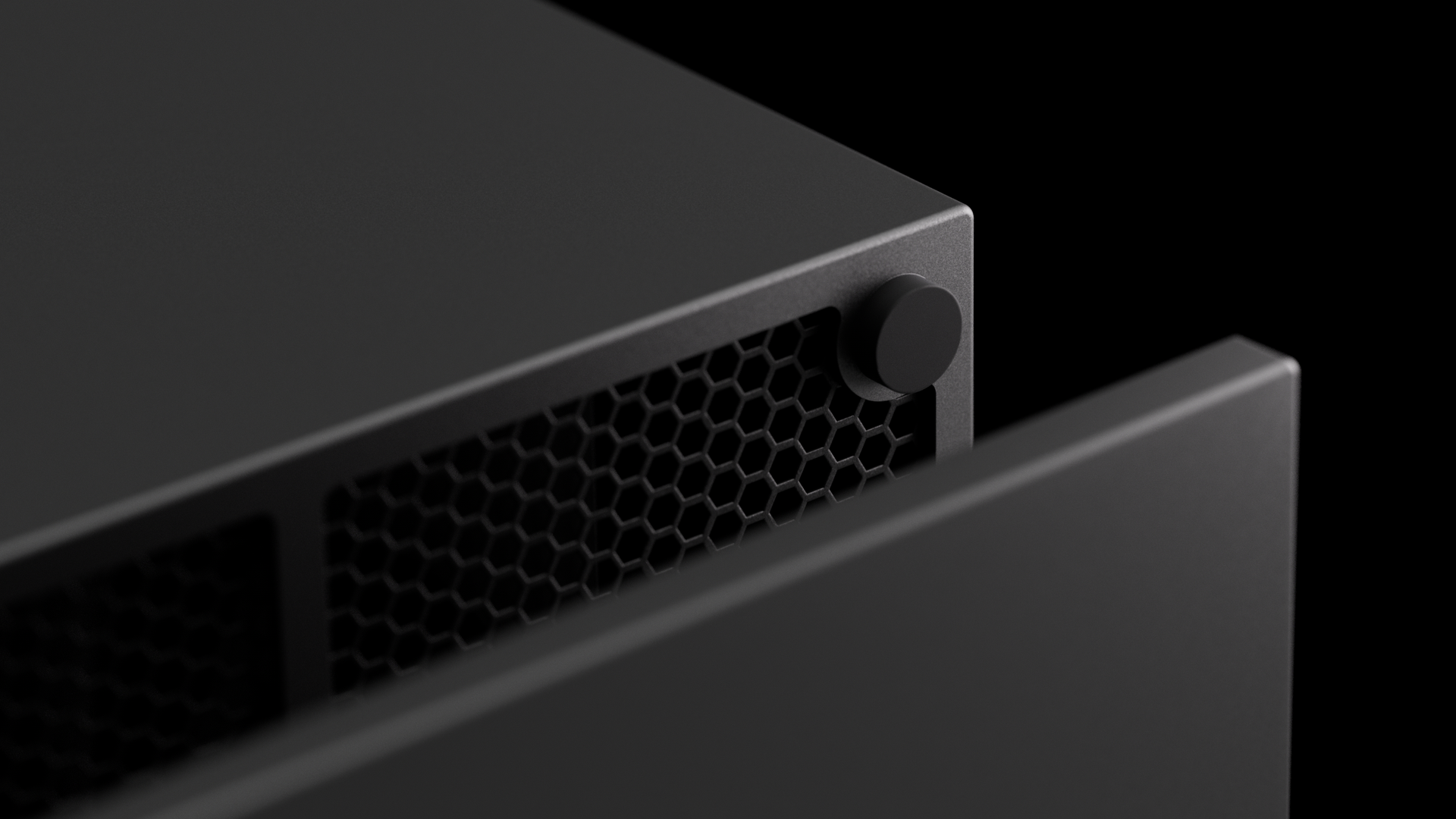
It looks like a pretty smart layout, and not totally dissimilar to a Fractal Terra—the case I use for my own mini PC—sat upright. Pimax plans to offer a barebones kit that will require a user to install their own GPU, storage, and memory, which means at least parts of it are set to be pretty standardised.
The idea behind the Spation is to be more powerful than a gaming laptop to power high-end PC VR, in a smaller size than your average PC. Thereby easier to shift besides your TV unit for a spot of virtual reality in the evening. There is a bit of a gap in the market for this sorta thing—beyond simply building your own Mini-ITX gaming PC—as the real Steam Machine has been known to struggle with VR due to its Arch-based SteamOS.
Though that might also be the case for the Spation. Pimax is pitching it with both Windows and SteamOS support. It is just a regular PC, after all, so there's nothing stopping you from loading SteamOS onto anything with compatible hardware—namely AMD's gear, as Nvidia GPU support is an ongoing process in SteamOS. Which you choose should probably depend on whether you are planning to use it for VR or not. Even though the Steam Frame has shown what Linux can do in VR, and Pimax says it's bringing Pimax Play to Linux as a dedicated client, it does feel like Windows remains the easiest option.
Verrückter Singapur-Zeitplan: Warum Nico Hülkenberg nicht im Europa-Modus bleibt
In den vergangenen Jahren bedeutete das für viele Piloten: Nach der Anreise blieb ...Weiterlesen
Is Prem rugby union turning into basketball? Nailbiters supply case for defence
Record try-glut in round one suggested all-out attack is en vogue, but maybe you can defend well and still concede tries in the modern game?
After one weekend of the Prem season the feeling was we had crossed the Rubicon. A remarkable 52 tries, eclipsing the previous record for round one despite the fact that fewer matches were played added further weight to the argument – a criticism and a compliment – that the English club game is creeping closer towards a form of basketball.
Then came round two and 41 tries. A sizeable number, certainly compared with seasons of yesteryear, but equally giving a sense that defences had their day in some cases. Sale’s gritty victory over Saracens was a dogfight, Leicester’s win over Newcastle wasn’t pretty and while Bristol ran in six tries against Northampton, their success owed everything to defensive steel.
Continue reading...Subnautica 2 fans can finally hunt and kill those pesky Nibbler Mangos—in Dave the Diver's crossover DLC
It took a while but there's finally an official way to hunt and kill some of Subnautica 2's most annoying sea creatures. The only catch is, you'll have to do it in Dave the Diver DLC—though as catches go, that's a pretty fun one.
The crossover was announced today at the Triple-I Initiative showcase. Coming in early 2027, the Dave the Diver X Subnautica 2 content pack will suck Dave into the alien waters of Unknown Worlds' survival game where he can mine resources, hunt fish, and—one would hope—discover some tasty new sushi recipes for Bancho to cook up. Here's the trailer:
What caught my eye even more than the glimpse of a massive and intimidating boss at the end of the trailer were those pesky Nibbler Mangos, which start biting you the second you dive into Subnautica 2 and never really stop. Players having no way to kill large enemies in Subnautica 2 has been a bit of a controversy, with some even resorting to mods so they can fight back.
It's nice that players can finally get a bit of revenge against those relentless fish, albeit in another game.
"We're thrilled to see Subnautica 2's creatures, including the Nibbler Mango, join Dave's world," Mintrocket told PC Gamer via email. "The team had a lot of fun bringing these creatures into our game, and players can expect the DLC to play just like the Dave the Diver they know and love."
As for those saddened to hear this is the final DLC for Dave the Diver, that doesn't necessarily mean it's the definitive end of his adventures.
"While this will be the final major DLC for Dave the Diver, there may still be smaller content updates or collaborations based on player feedback and our internal plans," Mintrocket told PC Gamer. "Since we're not moving straight into a sequel, we'll keep thinking about ways to make sure players don't forget Dave and his friends." Bancho the Chef, meanwhile, is getting his own game, a prequel, though a release date has yet to be announced.
A great indie studio is making a sequel to one of my favorite adventures 17 years later, for one simple reason: 'We're not getting any younger, and the world seems to be ending'
I just made a noise like air being slowly released from a balloon.
It's been 17 years since the original Machinarium, a wordless tale of love in a crumbling city of robots. Amanita Design has put out some great games over that span—Botanicula, Chuchel, Creaks, Phonopolis—but hasn't breathed even a hint that more Machinarium might be on the way. So why now?
"We're not getting any younger, and the world seems to be ending, so if we were ever going to make Machinarium 2, now is the right time," Amanita CEO and designer Jakub Dvorský said—a bit dark, sure, but I can't find any factual fault in his reasoning. "We're also grateful to every player who waited patiently all these years. We couldn't have done it without them."
The new game picks up where Machinarium left off: Having escaped the city, Josef and Berta crash-land in a hidden valley populated by two robot tribes, one in the Elektrona monastery and the other in the city of Oilton—both of them facing a grim future as their power is slowly running out. While Machinarium 2 promises the same style of point-and-click puzzling as the original, Josef and Berta are both playable this time around, swappable at will, and will have to work together to solve the game's puzzles.
The distinctive visual style of Machinarium is back—perhaps a little sharper than the first game, although I think it still looks great—and importantly, so is Tomáš Dvořák, aka Floex, the composer whose soundtrack helped make Machinarium so distinctive and memorable.
As PC Gamer's Evan Lahti explained some years ago, music is one of the best parts of Amanita games, and Dvořák is responsible for much of it. Given his many years of collaborating with the studio on most of its games, it's not really surprising that he's back for Machinarium 2, but it is reassuring to have it confirmed.
"When I composed the first Machinarium soundtrack years ago, I never anticipated such a huge response," Dvořák told me. "I was simply trying to have fun and enjoy the creative process—and I believe that is the exact same approach I need for the sequel.
"Naturally, it’s a challenging task. It is easy to fall into the trap of comparing my new work to the original, and doubts occasionally creep in about whether it will be as engaging. However, I try to minimize those thoughts. Experience has taught me that the best way to create is to simply 'have fun'."
Interestingly, Dvořák said he didn't really think about Machinarium 2 as a sequel at all: Instead, it's more "a beautiful project [that] provides a great opportunity to create a specific kind of music ... the visuals have an incredible influence on the music universe I create. Machinarium is exactly the kind of environment where things grow very naturally for me."
The music in the Machinarium 2 trailer certainly has a familiar vibe, but Dvořák said he set a few specific goals for himself to differentiate it from the original: The soundtrack to be "more melodic and musical," something he aims to achieve with "more simplicity, which is actually the hardest part: Usually, unique organic details come from layering many sounds together."
And of course, the passage of time is a factor too: "I feel the new music is more mature," Dvořák said, "simply because I am older."
Aren't we all? Still great music, though.
As for the real reason Amanita Design opted to go back to Machinarium now, all these years later, it really was just a vibe situation. "I tend to make these kinds of decisions more intuitively than rationally. That’s just how I work," Dvorský, Amanita's CEO, told me in a separate chat.
"I guess I rely on some kind of instinct or feeling, so it’s actually quite hard for me to give you a clear, logical answer. I just had this feeling that the world of the robots was knocking on the door, asking to come out again. It seemed like a good idea, and little by little, I got really excited about it."

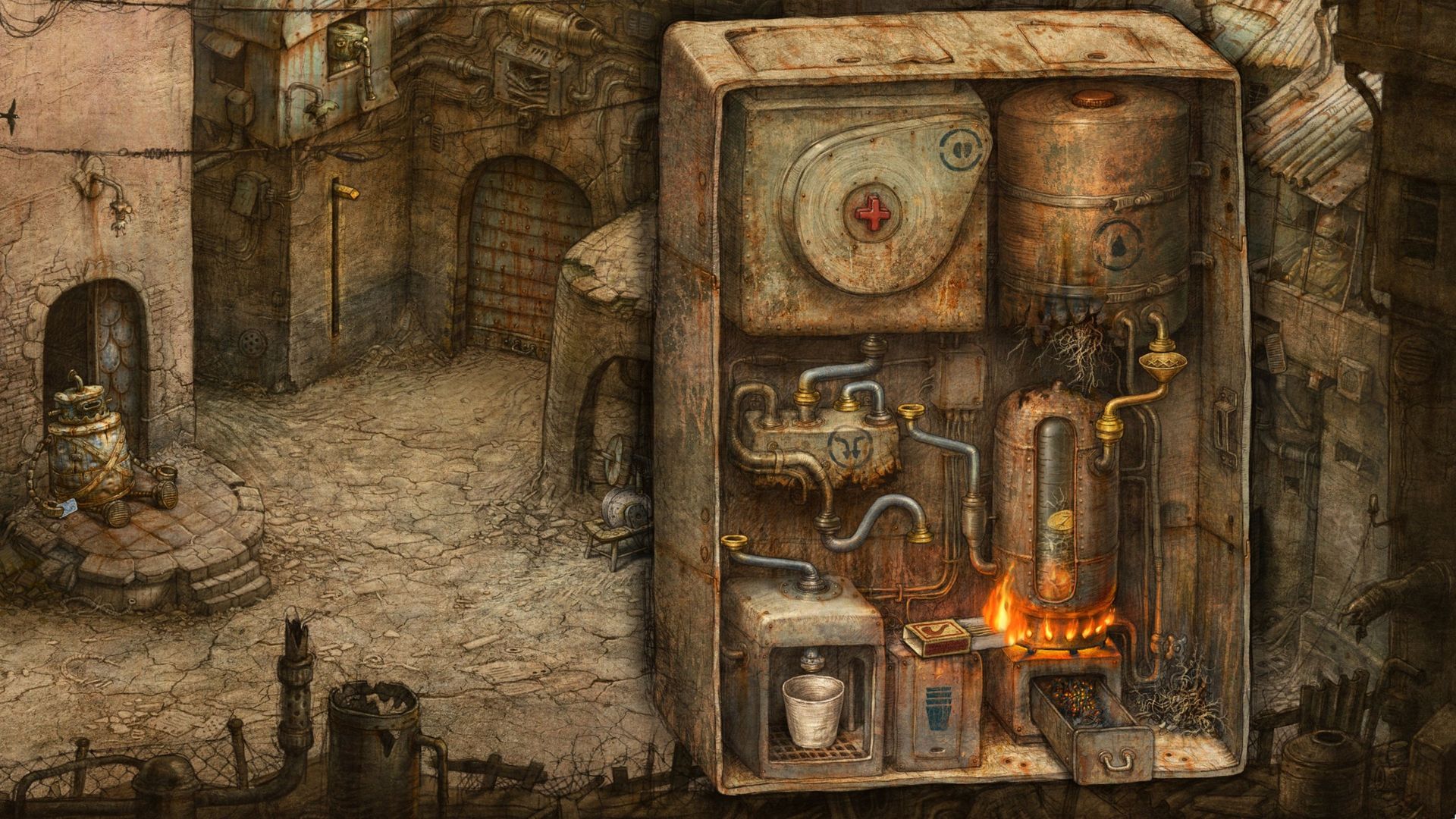
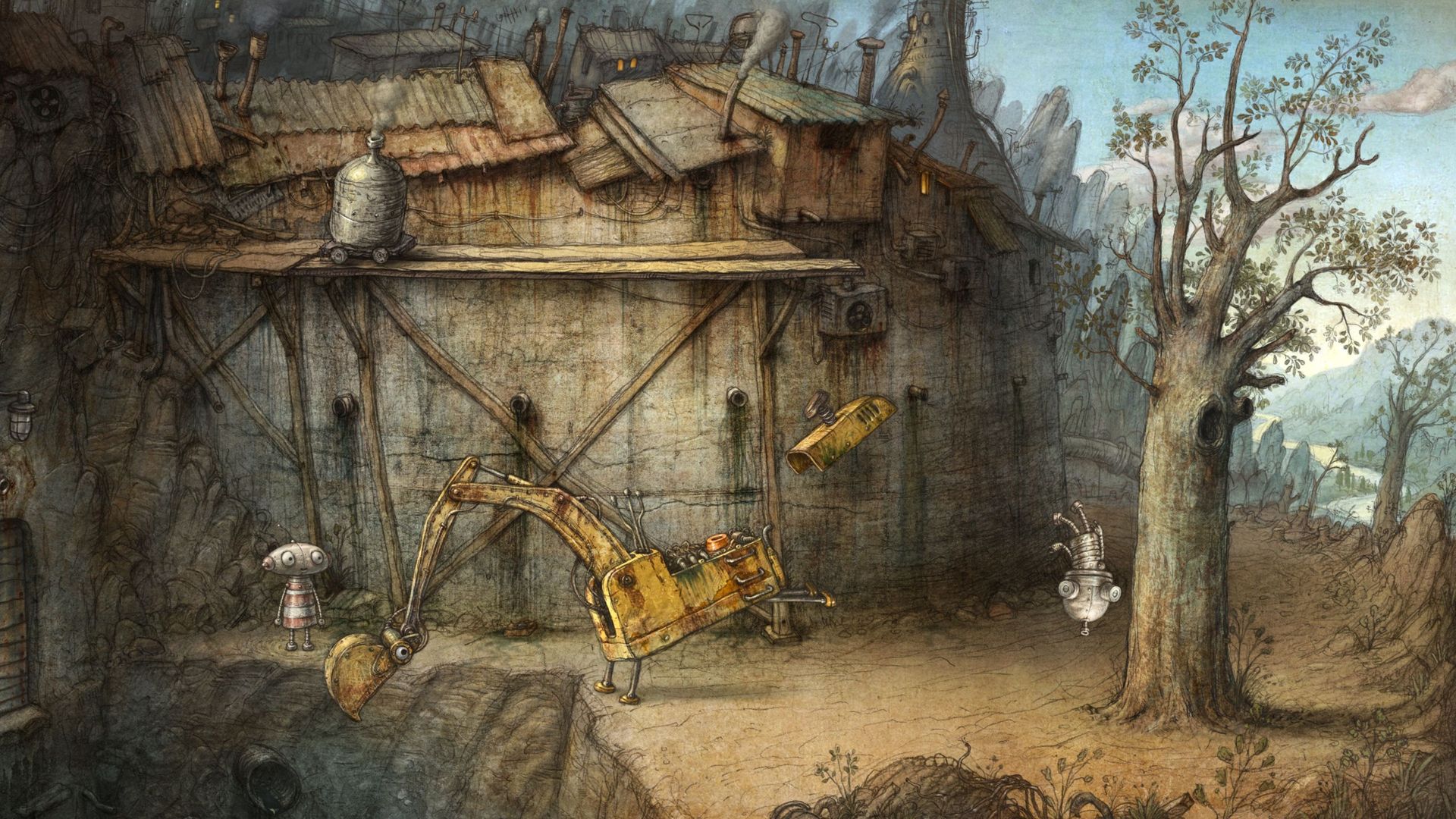
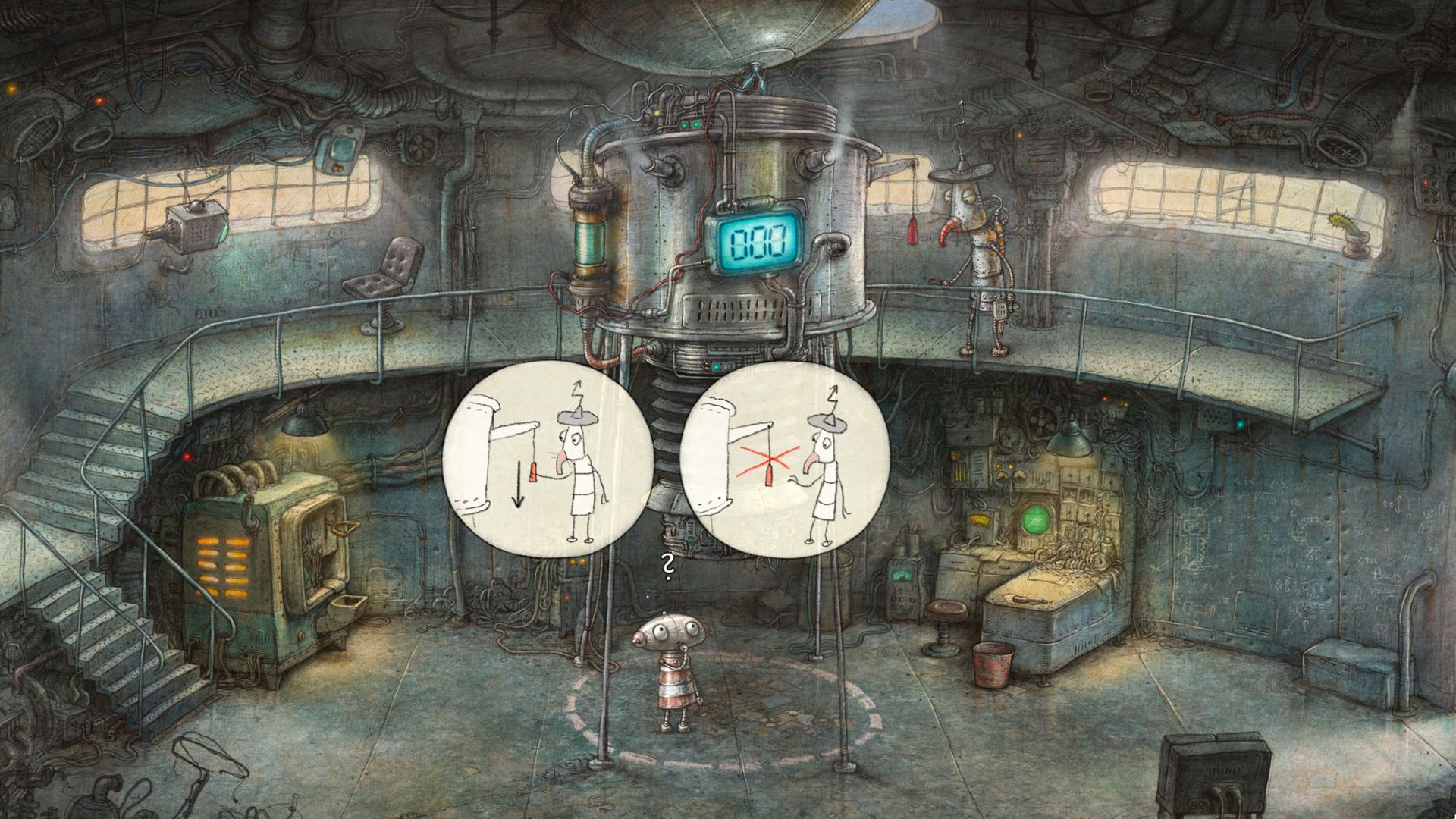
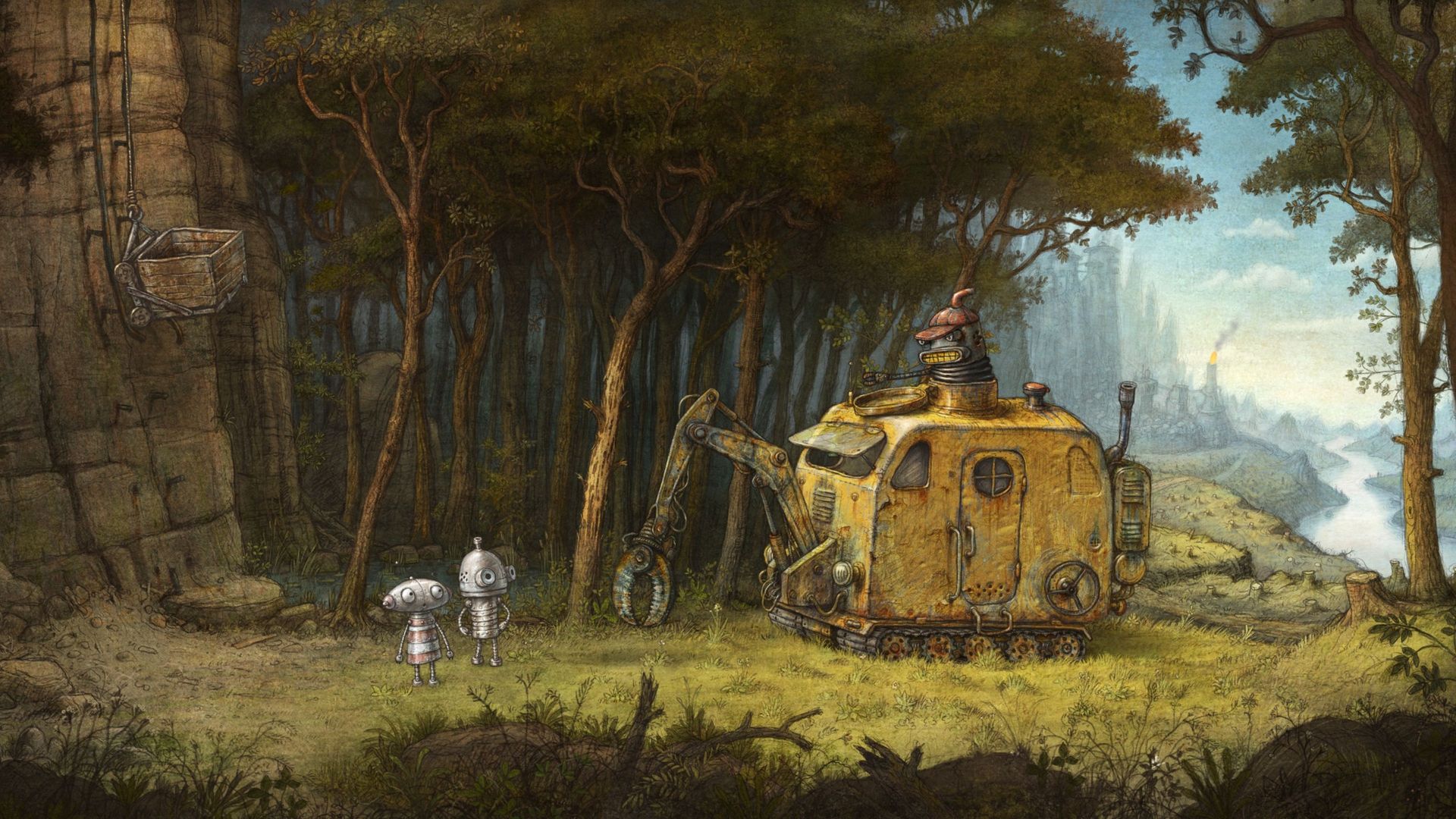
It's probably self-evident at this point, but I'm really excited about it too. Machinarium was Amanita Design's first full-length, standalone game, and it made me an immediate fan of the studio. Amanita's subsequent games have more than lived up to the high standard it set, but even so there's always been a very faint 'wish it was Machinarium' hanging in the background over every new release. Well, here we are—I guess now I can start quietly pining for Botanicula 2.
Machinarium 2 doesn't have a release date at this point, but it's up for wishlisting on Steam. For now, you can pick up Amanita's previous releases—including the original Machinarium—at some pretty sweet prices until October 15.

2026 games: All the upcoming games
Best PC games: Our all-time favorites
Free PC games: Freebie fest
Best FPS games: Finest gunplay
Best RPGs: Grand adventures
Best co-op games: Better together